Your AI PR agency, minus the retainer
An AI PR agency drafts the release, matches journalists, sends the pitch and tracks replies. Here is what it does well and where you still need to show up.

The numbers behind a bad pitch
The agency job, split into parts
Writing the copy is the easy bit. Here is the rest of what a retainer pays for.
Drafting the release
You give it the facts, the number and a quote. It returns a draft in your voice, not agency-speak. You edit for ten minutes and move on.
Matching journalists
A pitch is only as good as the name on it. Matching by beat and recent coverage is what keeps you out of the 88% that get deleted.
Personalized sending
One angle per journalist type, one opening line per person. Not a mail merge with a first name swapped in.
Reply tracking
See who opened, who answered and who ignored you, so day-3 follow-ups go to the right people only.
Podcast pitches
Hosts want a guest angle, not a press release. Same workflow, different pitch, tracked in the same place.
A bill you can read
No scope-of-work PDF, no hourly padding, no monthly call to justify the invoice.
What the person on the other end sees
A reporter opens dozens of pitches a day and decides in seconds. The survey reasons for deleting are blunt: not relevant to my beat, too promotional, looks like a mass email. An AI PR agency is only useful if it fixes those three things, so judge any tool on targeting first and drafting second.
- Name the beat in the first line
- Lead with the news, not the company
- Cut anything that reads like an ad

From news to sent, in one afternoon
No kickoff call, no onboarding deck.
-
1
Tell it what happened
A funding round, a launch, a hire, a number worth reporting. Give it the facts and the quote you are willing to be printed with.
-
2
Pick the angle
Two or three angles per journalist type. Choose the one that answers why this matters this week.
-
3
Review the matches
Check the journalists it proposes. Drop anyone who does not cover your space. This step is yours, and it is the one that decides the reply rate.
-
4
Send and follow up
Pitches go out personalized. Replies land in one place, and day-3 follow-ups go only to people who have not answered.
Same workflow for podcast booking
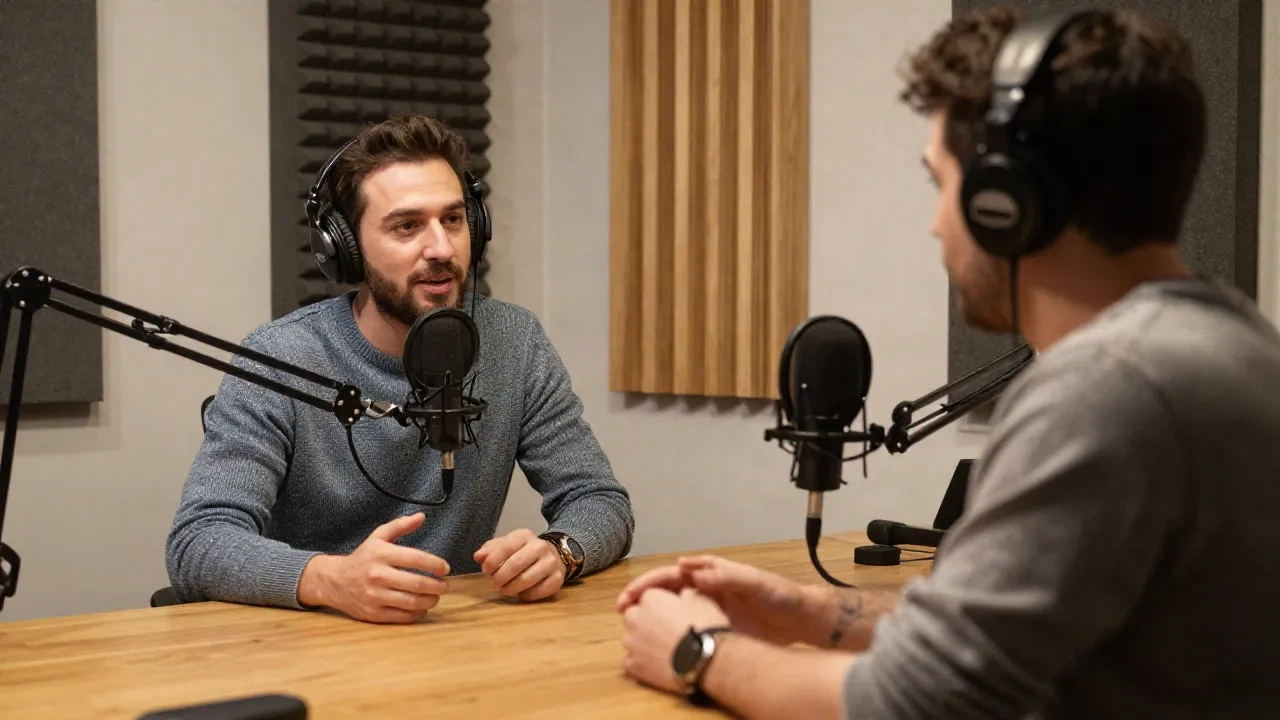
Podcast hosts are journalists with a mic and a calendar. They want a specific guest angle and a reason you are worth their audience's time. The drafting and tracking steps are the same, only the pitch changes. Founders who treat podcasts as a second channel get a repeatable source of interviews instead of waiting on one big feature.
- Pitch the host's audience, not your product
- One angle per show
- Track every reply next to your press pitches
AI PR agency vs traditional agency
Same story, two different bills. Agency figures are market ranges, not one firm's quote.
| Criteria | Traditional agency | Press Monkey |
|---|---|---|
| Monthly cost | $10,000 to $25,000 at mid-market | Fraction of a retainer, see current plans |
| Contract | Often 3 to 6 months minimum | No retainer to sign |
| Drafting the release | Days | Minutes |
| Journalist matching | Agency contacts and purchased lists | By beat and recent coverage |
| Personalized pitches | By hand, volume limited | Personalized per journalist |
| Reply tracking | Monthly report | In the dashboard |
| Crisis communications | Yes | No, and we say so |
| Tier-one relationships | Sometimes | No, you build them |
AI PR agency, answered
What is an AI PR agency?
How much does an AI PR agency cost compared to a traditional one?
Can an AI PR agency guarantee coverage?
Will journalists notice an AI-written pitch?
When should I still hire a human PR agency?
How long does it take to send a first round of pitches?
Does Press Monkey replace a PR agency?
Fire the agency. Keep the results.
Draft the release, match the journalists, send the pitch and see who replies. No retainer, no kickoff call.